
The
greatest
public health success story
Let's protect our future
As parents, our greatest hope is to keep our children safe, healthy, and happy. It's completely normal to have questions—especially when it comes to decisions about their health. That's why we're here: to offer clear, compassionate, and trustworthy information about childhood vaccines.
This information is evidence-based and supported by an entire network of practicing pediatricians caring for families on a daily basis. Just think—this is something many of our own parents never had to question. But today, with so much information out there, it's okay to pause, ask questions, and learn.
Let's protect our future
As parents, our greatest hope is to keep our children safe, healthy, and happy. It's completely normal to have questions—especially when it comes to decisions about their health. That's why we're here: to offer clear, compassionate, and trustworthy information about childhood vaccines.
This information is evidence-based and supported by an entire network of practicing pediatricians caring for families on a daily basis. Just think—this is something many of our own parents never had to question. But today, with so much information out there, it's okay to pause, ask questions, and learn.
The reality, before vaccines
1 in 5 children in
the U.S. died before their fifth birthday
In the early 1900s, before vaccines were widely available, nearly 1 in 5 children in the U.S. died before their fifth birthday—often from infectious diseases we can now prevent. Measles, diphtheria, polio, and whooping cough were devastatingly common.
The positive impact
Vaccines are one of the most powerful tools in modern medicine—and one of the greatest public health success stories in history. Here’s what they’ve done:
Past threats
Thanks to vaccines, diseases such as polio, measles, diphtheria, and Hib—which once caused widespread illness and death—are now rare or eliminated in the U.S. However, in communities with higher numbers of unvaccinated or under-vaccinated individuals, these diseases have started to reappear, sometimes leading to outbreaks.
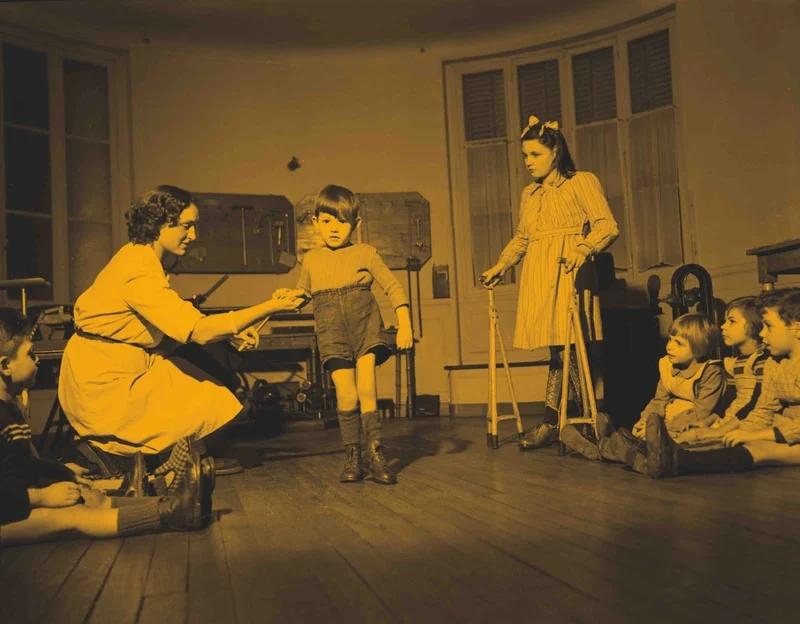
Polio
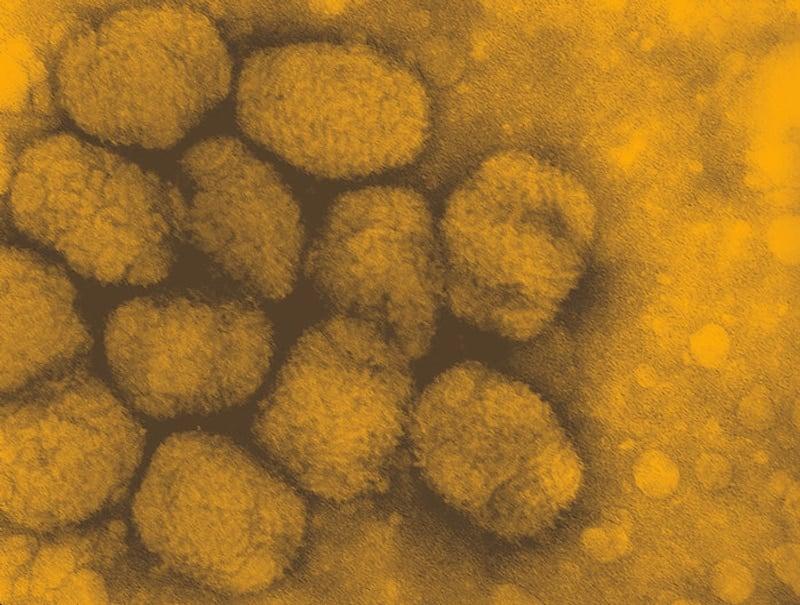
Smallpox
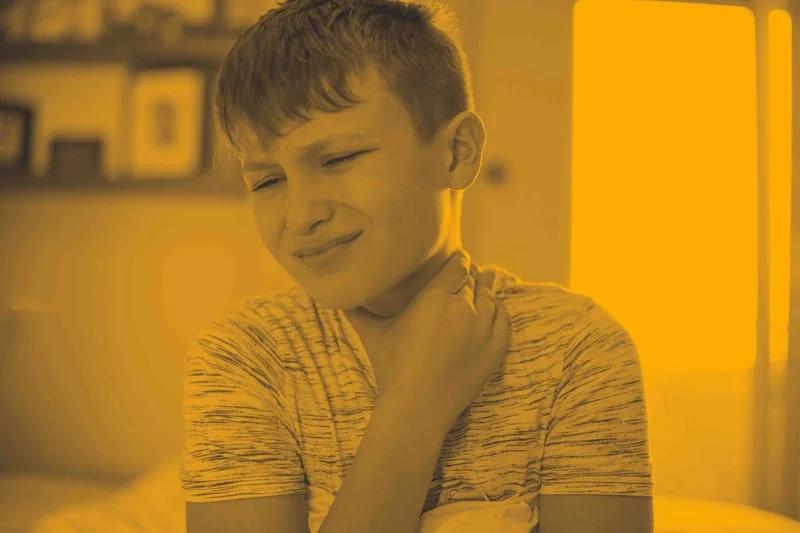
Diphtheria
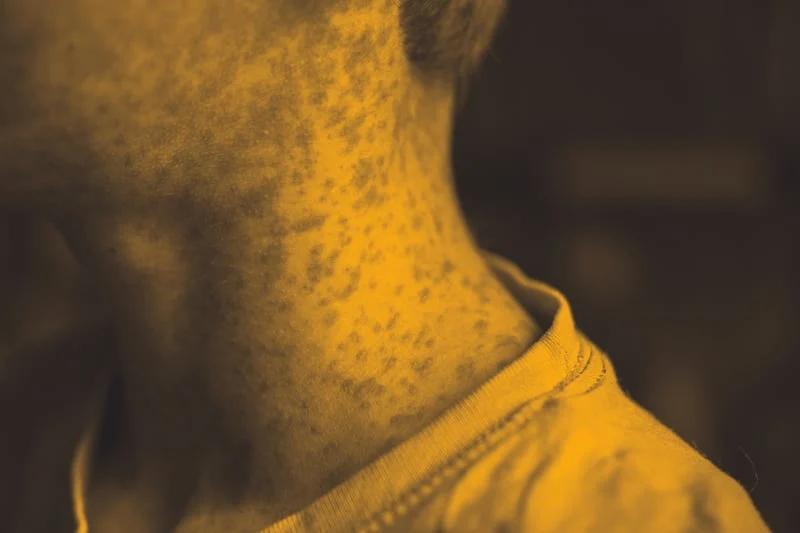
Measles
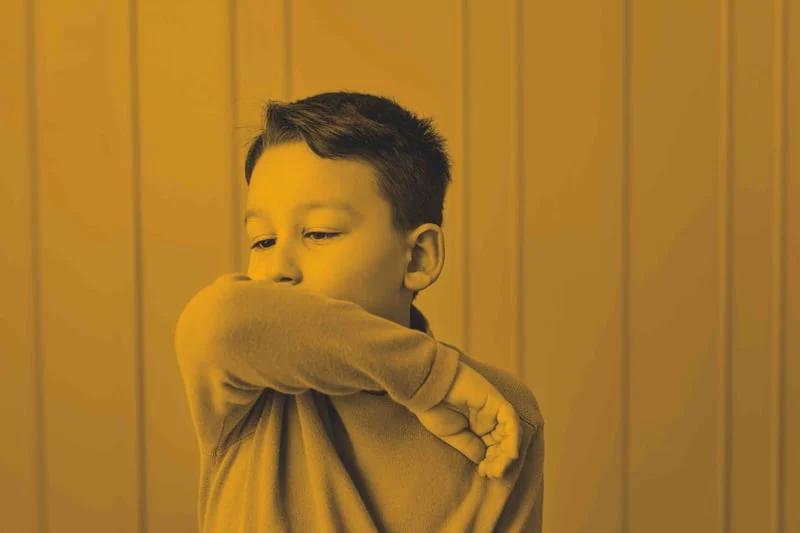
Whooping cough
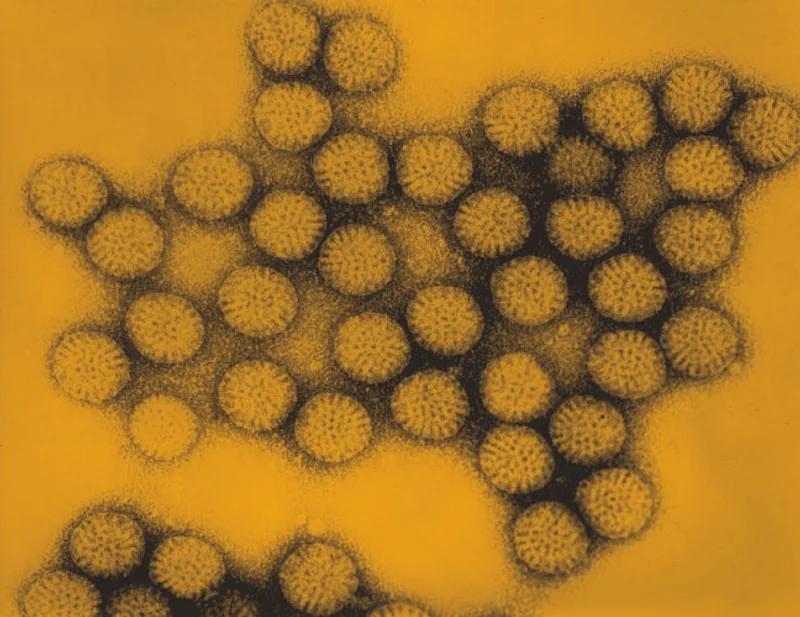
Rotavirus
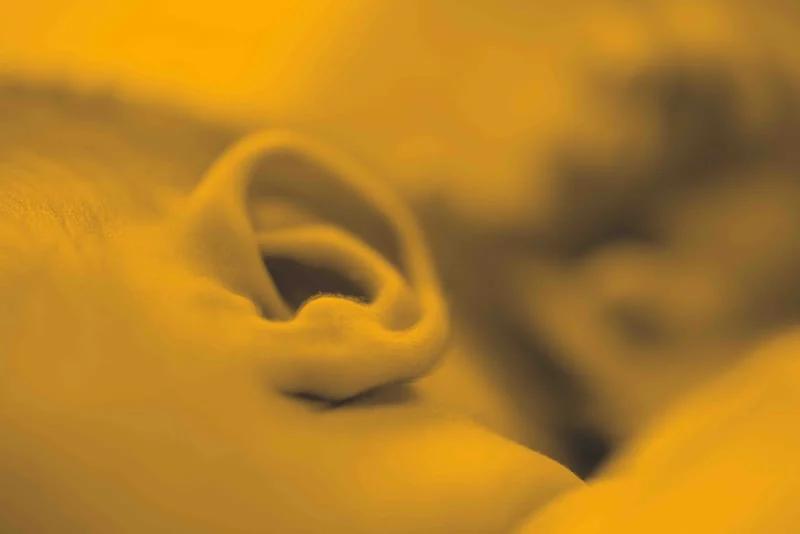
Pneumococcal
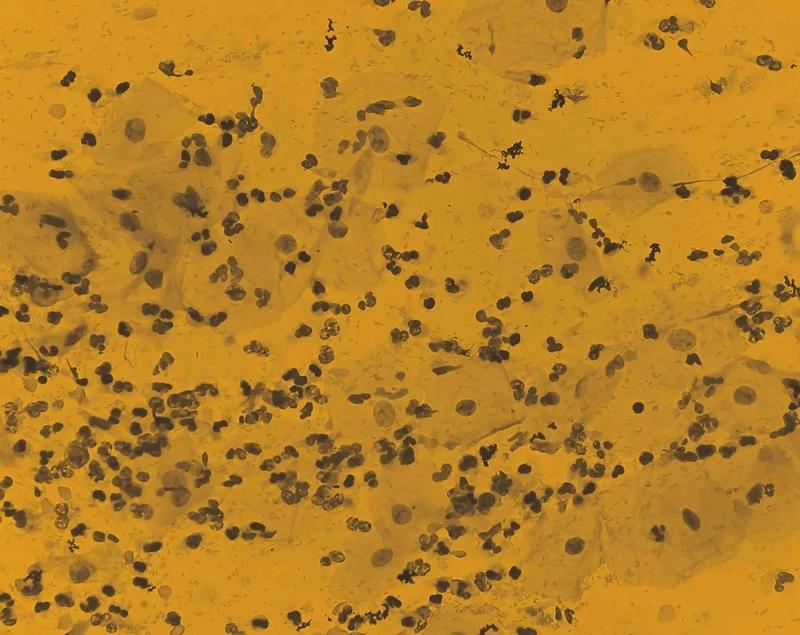
Hib
Chickenpox
Polio
Smallpox
Diphtheria
Measles
Whooping cough (Pertussis)
Rotavirus
Pneumococcal
Hib
Chickenpox
Protecting
our children
Vaccines work with your child's natural defenses to build protection against serious diseases without them ever having to get sick.
Think of it like a training exercise for their immune system. Vaccination is one of the best ways to protect your child from serious diseases.
When a germ enters your body, your immune system learns to fight it. Vaccines introduce a tiny, harmless part of a germ, or a weakened form of it, to your child's immune system.
Concerns you have
Many parents have similar questions. Let’s walk through some of the most common concerns:
A clear path to protection
The childhood vaccine schedule is developed by leading medical experts, including pediatricians, and carefully reviewed each year to ensure it provides the best protection for your child. It's designed to protect them at the earliest age possible when they are most vulnerable to these serious diseases.
Trusted leaders in the American Academy of Pediatrics and the American Academy of Family Physicians strongly support protecting children with recommended vaccinations. They practice what they preach—all of these physicians follow the vaccine schedule for their own children and families.
Recommended for all infants and children
Recommended only for infants/children with certain medical conditions or risk factors
Talk to your healthcare provider to decide if this vaccine is right for your teenager
*This schedule shows the typical number of vaccines at each age when combination vaccines
are used (which help reduce the number of separate shots). It assumes your child is
following the recommended schedule and is up to date.
Infants should receive protection against RSV during their first RSV season, and all
children should receive flu vaccine once they are over 6 months old. Some infants with
high-risk conditions may need additional RSV protection during their second season and
COVID-19 vaccination when eligible.
** Rotavirus is given orally, not as a shot.
Understanding the different diseases
Knowing what to expect
It's completely normal for your child to feel a little discomfort after getting vaccinated. This is usually a sign that their immune system is working and building protection. Knowing what to expect and how to help can make the experience easier for both of you.
Fever
A low-grade fever means your child's immune system is "turned on." This may be because the vaccine is working or because the child has an infection.
Check your child's temperature (a fever is 100.4°F (38°C) or higher).
You can give acetaminophen (like Tylenol) or ibuprofen (like Advil or Motrin) for fever and always base the dose on your child's weight and your healthcare provider's instructions.
Give your child plenty of fluids and dress them lightly.
Do not cover or wrap your child tightly.
Soreness, redness, or swelling where the shot was given
Put a clean, cool, wet washcloth over the sore area for comfort. Do this for 10 minutes, 3 times a day.
Check the site daily. If it's not improving after 1-2 days, call your healthcare provider.
While serious side effects are rare, it's important to know when to seek immediate medical advice. If your child seems very ill, seek medical advice from your healthcare provider.
Get in touch
VaxFacts is a trusted online resource, meticulously compiled by a network of nationally respected pediatricians. It serves as a reliable source for comprehensive and evidence-based vaccine information in the U.S.